Choosing the right training equipment depends on your fitness goals, available space, budget and experience level. Below is a factual overview of commonly used equipment categories. We do not endorse specific brands or retailers.
Free Weights
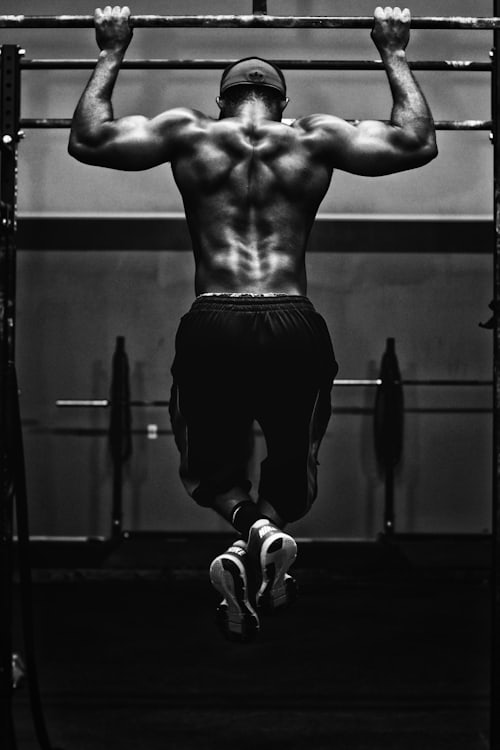
Dumbbells
Dumbbells are versatile, individual hand-held weights available in fixed or adjustable formats. They allow unilateral (single-limb) training and can be used for a wide variety of exercises targeting all major muscle groups.
Suitable for: Beginners through to advanced trainees. Home or gym use.
Considerations: A full set can be expensive and take up space. Adjustable dumbbells address space concerns but may have weight limits.
Barbells
A standard Olympic barbell weighs 20 kg (men's) or 15 kg (women's) and is used with weight plates. Barbells allow heavier loading than dumbbells and are commonly used for compound lifts such as squats, deadlifts, bench press and overhead press.
Suitable for: Intermediate to advanced trainees. Requires adequate space and, ideally, a squat rack or power cage for safety.
Considerations: Proper technique is essential to reduce injury risk. Beginners should seek instruction from a qualified coach or exercise professional.
Kettlebells
Kettlebells are cast-iron weights with a handle, commonly used for dynamic exercises such as swings, cleans and snatches. They combine strength and cardiovascular training.
Suitable for: All levels with appropriate instruction. Compact for home use.
Resistance Bands & Bodyweight Tools
Resistance Bands
Elastic bands of varying thickness that provide progressive resistance. Lightweight, portable and inexpensive. Useful for rehabilitation, warm-ups, assisted exercises (e.g., pull-up assistance) and standalone strength work.
Considerations: Resistance is less predictable than fixed weights. Bands can wear out over time and should be inspected regularly for tears.
Pull-up Bar
A simple bar mounted in a doorway or wall-mounted frame. Allows pull-ups, chin-ups, hanging leg raises and other bodyweight exercises. Effective for developing upper-body pulling strength.
Suspension Trainer
Adjustable straps anchored to a fixed point, allowing bodyweight exercises at various angles. Effective for core stability and functional movement patterns.
Cardiovascular Equipment
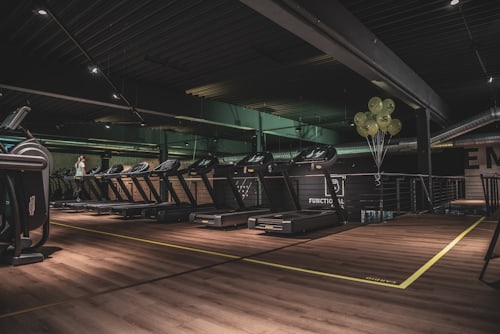
Common cardio machines include treadmills, stationary bikes (upright and recumbent), rowing machines and elliptical trainers. Each offers distinct advantages:
| Equipment | Impact Level | Primary Benefit |
|---|---|---|
| Treadmill | Moderate–High | Walking and running simulation; adjustable incline |
| Stationary Bike | Low | Lower-body cardio with minimal joint stress |
| Rowing Machine | Low | Full-body cardio and strength endurance |
| Elliptical Trainer | Low | Full-body movement with reduced impact |